Reading Nature in Ancient and Early Medieval Indian Literature

Image 1: Episode from Bhāravi’s Kirātārjunīyam: Dispute between Arjuna and Kirāta over the hunted boar [AI generated image] Kirātārjunīyam and Kathāsaritsāgara, two Sanskrit literary works from ancient and early medieval India, offer insights into how people imagined, experienced and gave meaning to their natural surroundings. By reading these texts as sources for environmental history, I... Continue Reading →

Sal Borer was always there: Sal forests, Colonial Forestry and the Pest Outbreak in Central India

The recent outbreak of the sal borer raise a larger historical question. When did an inhabitant of the sal forest become a destructive pest? This article explores how changing forest management, commercialisation and climate may have altered the ecological relationship between the sal tree and the beetle. Vipul Singh Photograph: Sal Borer Beetle Something unusual is... Continue Reading →

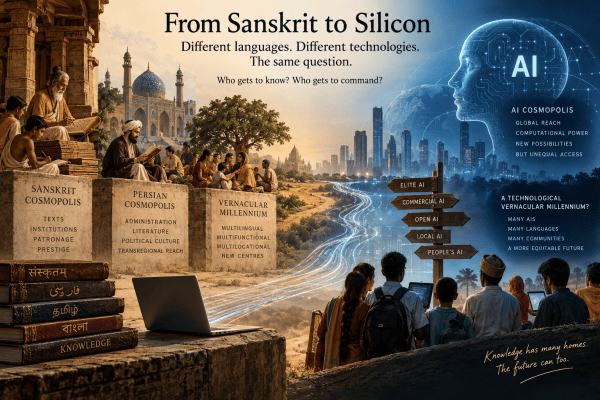
From Sanskrit to AI Cosmopolis: The Vernacularisation of Intelligence

Like the ‘Sanskrit’ and ‘Persian Cosmopolis’, can AI become a transregional force without remaining tied to technological giants of the United States? This article explores the possibilities of the emergence of a vernacular AI cosmopolis, similar to vernacular literature of 15-16 centuries that is locally rooted, multilingual and plural. Vipul Singh AI generated image Introduction... Continue Reading →

Did Ancient Stories Travel? The Odyssey, the Ramayan and the Mahabharat?

Did epic stories travel across the ancient world long before they were written down? By comparing Homer's Odyssey with the Ramayana and the Mahabharata, this essay explores striking similarities in these epic motifs - the impossible bow and the wilderness monster.  Vipul Singh Odysseus strings the impossible bow (AI image) Lord Ram breaks the impossible bow Pinak for princess Sita... Continue Reading →

Doing Public History

Vipul Singh | Speaking History, no.1, 2026 Abstract: Public history brings the past into everyday life. It shows how history is made and understood beyond classrooms, journals and archives, in cafe, on streets, in monuments, through YouTube podcast and blogs, through memory, and heritage walk. Photo 1: Heritage Walk at Chittorgarh Fort What Is Public... Continue Reading →

Field Report : Alang-Sosiya Ship-breaking Yard

The ground report from my fieldwork tries to understand why the waste of the developed world still holds some value for the  countries like India and Bangladesh, and how businessmen from Gujarat try to turn it into profit. For the developing world, the ship is not waste but an opportunity, not to be wasted.

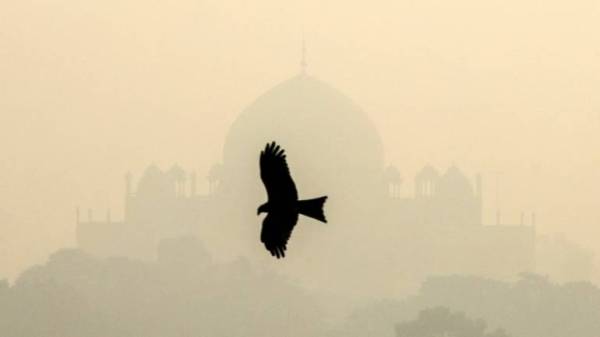
कहीं दिल्ली वीरान न हो जाए!

दिल्ली विश्वविद्यालय में 1990 के दशक तक एक से चौदह अक्टूबर तक ऑटम वैकेशन की परंपरा थी ।अब तो न हीं ऑटम वैकेशन रहा और न हीं वह हृदययहारी मौसम।अगर दिल्ली में जहरीला स्मॉग इसी तरह जारी रहा और लोग सांस लेने के लिए संघर्ष करते रहे, तो वह दिन दूर नहीं जब लोग शहर छोड़ने पर मजबूर हो जाएं । कहीं कुछ वर्षों में दिल्ली वीरान न हो जाए।

Website Powered by WordPress.com.

Up ↑