
Vipul Singh
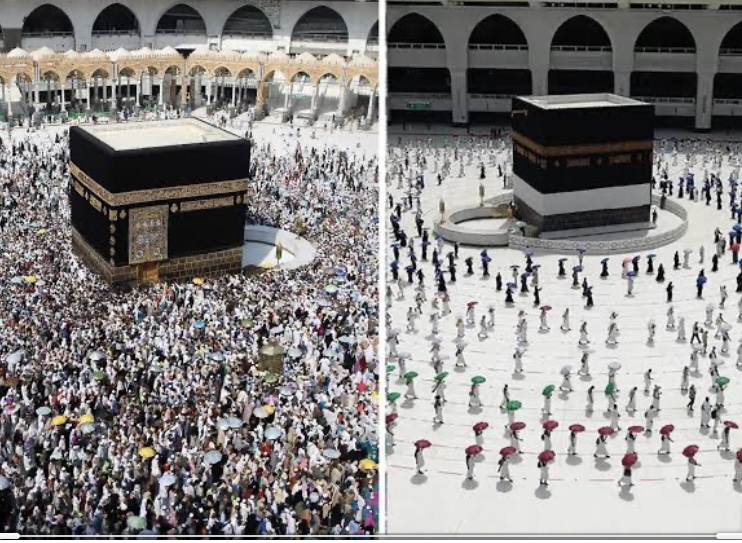
About two million pilgrims from different parts of the world go on Hajj to Saudi Arabia every year. In the wake of the coronavirus pandemic the country has restricted the entry of Hajj travellers.
In 1865 too, when there was a major cholera epidemic outbreak in Mecca, which led to the death of 15000 pilgrims, travel from foreign countries was restricted. It was believed that cholera epidemic reached Mecca from Bengal on the British ships travelling from India to Europe. At that time almost 80 per cent of the tonnage passing through the Suez Canal was of the British. So, all the European countries put pressure on Britain to quarantine the crew and the labour coming on the British ships. Turkey also raised her concern because Jidda was an important ports in the Red Sea, and it was from here that many Muslim pilgrims went to Mecca. As a precaution, quarantine stations on the north and south side of the Red Sea were constructed. This was a huge loss for the British.
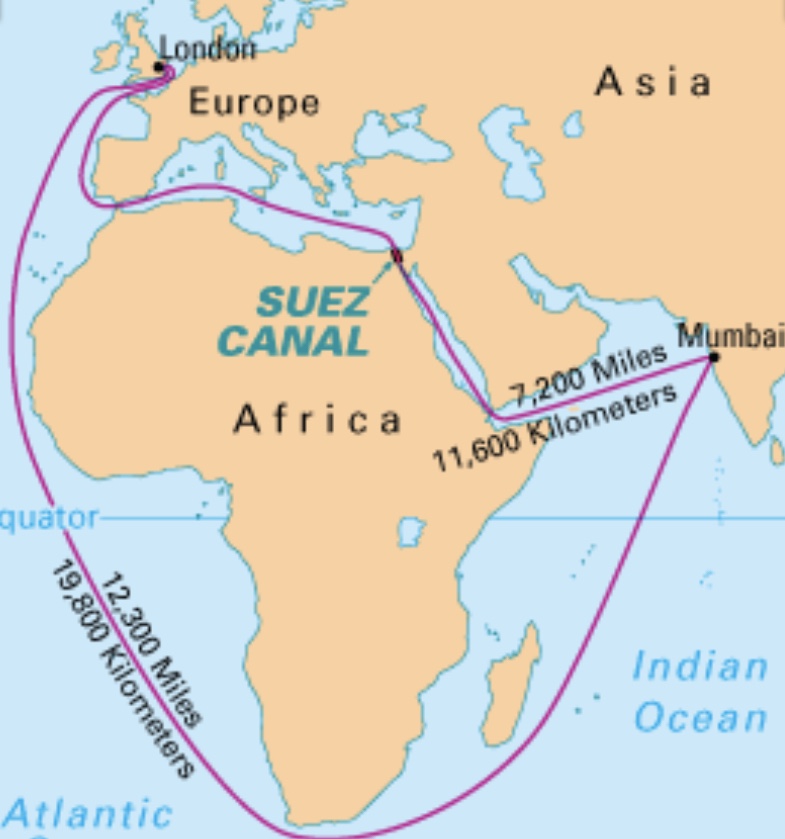
The Suez canal was constructed in 1869 that allowed faster and less time-taking ship movements between Europe and the Asian colonies of the British. Earlier, the ships had to take a much longer route. They had to take a full circle of Africa through the Cape of Good Hope to reach Indian ports. The new route reduced the cost of transportation of raw material from India. This in turn also affected the cost of production of the British goods in world market. Thus the rapidity and cost-effectivity of her sailing ships was a critical factor in allowing Britain to maintain her economic lead. As the canal reduced the journey time between Britain and India by almost 50 per cent, its military as well as commercial importance was huge. The British government, therefore, allowed the narrative to circulate that cholera came along with the Muslim pilgrims and not the labours.
 Speaking History
Leave a comment